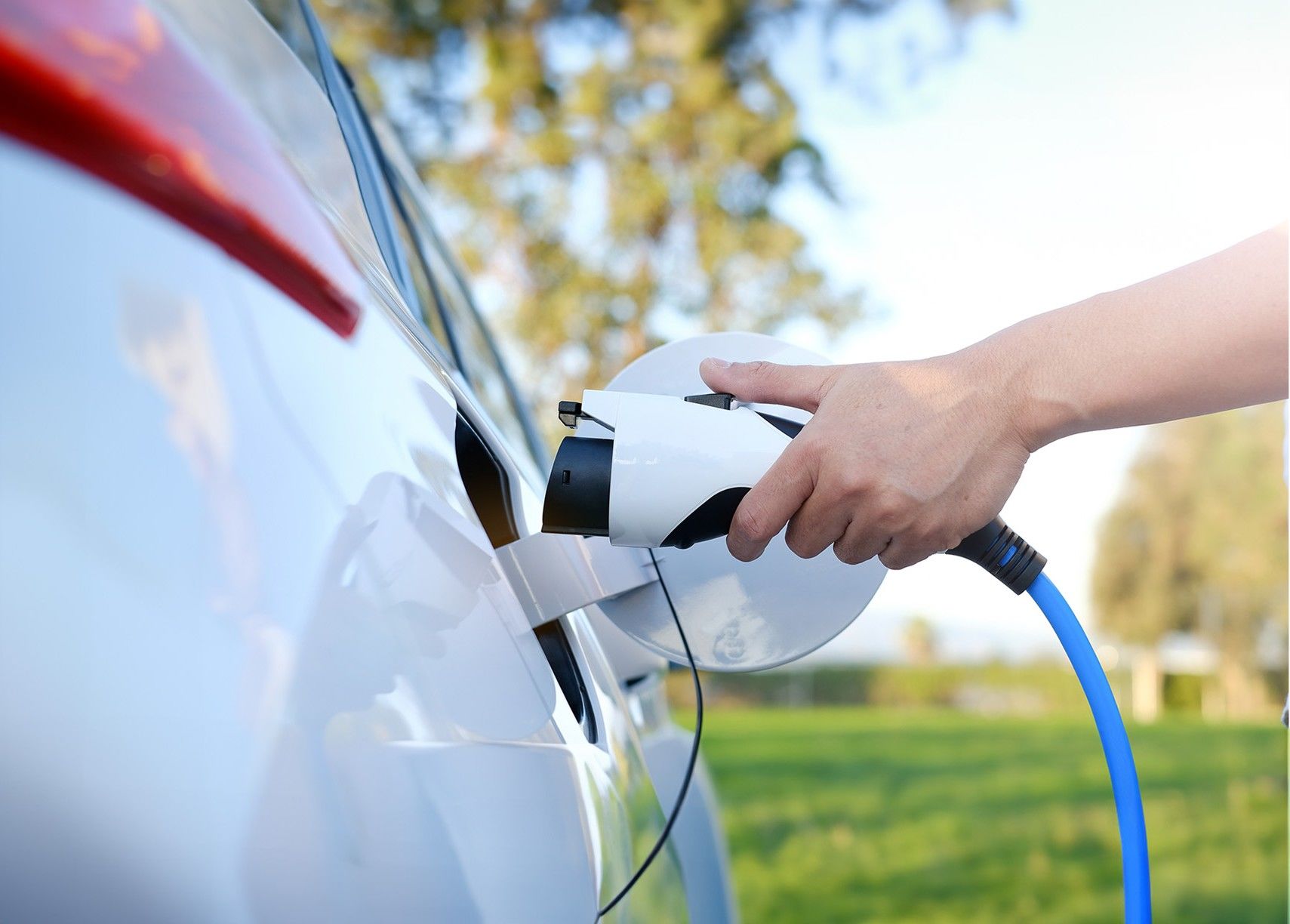
Electric vehicles (EVs) continue to gain traction in Australia. By late 2025, they accounted for more than 8% of new car sales—helped significantly by generous tax incentives designed to make EVs more affordable for both businesses and employees.
One of the biggest incentives has been the Federal Government’s Electric Car Discount, introduced in mid‑2022.
However, the rules are now under review. While nothing is changing immediately, it’s a good time to check how the current concessions work, whether they suit your situation, and what timing might mean for you
How the Electric Car Discount Works (Without the Jargon)
The discount isn’t a cash payment. Instead, it works through several tax concessions that reduce the cost of owning or leasing an EV.
1. Fringe Benefits Tax (FBT) Exemption
This is where the biggest savings often come from. When a qualifying EV is provided to an employee, the private-use component is exempt from FBT. Without this exemption, FBT can apply at up to 47%, so the savings can be substantial—sometimes thousands of dollars per year.
Key points to remember:
- Eligible vehicles include battery electric vehicles and hydrogen fuel cell vehicles.
- Plug‑in hybrids are no longer eligible for new arrangements from 1 April 2025.
- The vehicle must have been first held and used after 1 July 2022.
- The purchase price must be below the luxury car tax (LCT) threshold at the time of first sale.
2. Higher Luxury Car Tax (LCT) Threshold
Fuel‑efficient vehicles, including EVs, benefit from a higher LCT threshold— $91,387 for 2025–26 (compared to $76,950 for other cars).
This helps avoid the 33% LCT being applied to part of the purchase price.
This helps avoid the 33% LCT being applied to part of the purchase price.
3. Reduced Import Costs
Some EVs also qualify for an exemption from the 5% customs duty, further lowering upfront costs.
These settings have made EVs increasingly competitive. When you combine upfront savings with lower running costs, fewer servicing requirements and strong resale values, the commercial case for EVs—especially for salary packaging and small fleets—has been compelling.
Why the Government Is Reviewing the Rules
A statutory review of the Electric Car Discount is now underway. The main driver is cost—EV uptake has been stronger than expected, and the concessions now represent a larger‑than‑anticipated hit to the Federal Budget.
The review will consider:
- Whether the incentive is still needed to support EV adoption.
- Whether eligibility rules should be tightened (like limiting vehicle types or price caps).
- How the discount interacts with other policies, including the National Vehicle Emissions Standard commencing in 2025.
Public consultation has begun, but the final report isn’t expected until mid‑2027. Importantly, there is no suggestion of immediate changes, and any adjustments are more likely to apply prospectively.
What This Means for Business Owners and Employees
Uncertainty naturally makes people hesitate—but the current rules still apply, and nothing has changed yet. Here are the practical steps to consider now:
- If you’re thinking about replacing a vehicle in the next 12–24 months, now is a sensible time to review your options.
- Existing arrangements are generally expected to be grandfathered, meaning they should continue even if rules change (though this can’t be guaranteed).
- Make sure the vehicle is under the LCT threshold and meets all eligibility criteria if you plan to access the FBT exemption.
- If you’re installing or providing charging equipment, keep in mind that it doesn’t automatically qualify for FBT exemptions—this area has its own rules.
Final Thought
The Electric Car Discount remains one of the most attractive concessions available for employee vehicle benefits. While the review creates some longer‑term uncertainty, the current landscape is still highly favourable. For many businesses and employees, EVs continue to offer genuine tax efficiencies and cash‑flow advantages when structured correctly.